
Appalachian Community Capital: Building financial resilience where it’s needed most
Appalachian Community Capital is a nonprofit Community Development Financial Institution that is focused on attracting new sources of capital for small businesses in underserved places in Appalachia and similar energy communities nationally.
How Appalachian Community Capital works to strengthen the small business ecosystem in the United States
- Most small businesses in Appalachia — especially those in areas historically tied to traditional energy industries — face persistent barriers to accessing the affordable capital and support they need to grow. As public and private investment shifts towards a digital economy, these businesses often lack the resources to adapt their models — and risk being excluded from emerging opportunities.
- Appalachian Community Capital (ACC), a nonprofit community development financial institution (CDFI), is working to change that trajectory. ACC raises and deploys capital for small businesses in underserved Appalachian communities, helping them participate in and benefit from new economic opportunities.
- As a capital intermediary, ACC supports a network of 34 regional CDFIs and mission-driven lenders by unlocking scale — deploying debt, grant funding, and capacity-building resources that strengthen the small business support ecosystem.

Program overview
Our work together
- The partnership between Mastercard Strive USA and Appalachian Community Capital launched the Resilient Appalachia Data Initiative (RADI) in August 2024, which is part of the ACC inclusive data hub. RADI is a platform designed to equip regional CDFIs and the businesses they serve with data insights to support the transition to a more sustainable and inclusive economy. The initiative builds capacity, develops an investable pipeline, and delivers high-impact portfolio growth in core areas related to climate-resilience and climate mitigation outcomes. Through this initiative, Appalachia has the potential to become a ‘living laboratory’ for development, replication and scale of impactful, community-led climate finance models regionally and nationally. This initiative focuses on the following core areas.
- Regenerative Agriculture: Aims to innovate the circular economy in agriculture, leveraging the region's substantial farming output. Addresses barriers for low- and middle-income communities, encouraging leadership in sustainable farming practices.
- Multiplier Innovation Initiatives: Boosts revenue for regional entrepreneurs and reduces financial risks in these models.
- This work took on new meaning after Hurricane Helene hit part of the region in September 2024, affecting over 20,000 businesses and highlighting the urgent need to integrate resilience financing into the region’s economic development strategy, RADI enables regional CDFIs and small businesses to track risk exposure, develop resilience strategies, and access resilience-smart financing. ACC’s broader resilience strategy combines financial product innovation, risk modeling, and policy advocacy to protect vulnerable enterprises and jobs.
By the numbers
- ACC provides products and services to small businesses in 13 states and 423 counties
- RADI's resilience project pipeline has already identified more than 500 investable opportunities (as of July 2025)
- Since 2020, ACC and its members have created 4,700+ jobs and deployed more than $3 billion in loan capital
Our goal
Build a climate-resilient and inclusive regional economy in Appalachia
By the numbers
Become a partner
Interested in being a partner for change?
Together we can empower millions of small businesses globally with innovative digital solutions that boost resilience, growth, and inclusion. Your organization's expertise can help bring impactful programs to scale, deepen local reach, and create meaningful change in the small business ecosystem. Be part of a vibrant partner community driving real economic impact.
Donna Gambrell
Appalachian Community CapitalThis work is not only about clean energy or economic growth. It’s about equipping our communities with the tools to weather future storms — literally and financially.

Related programs

Washington Area Community Investment Fund: Laying the groundwork for a more connected small business ecosystem in Washington, DC
Washington Area Community Investment Fund (WACIF) is a CDFI that drives economic opportunity in the Washington, D.C.
CAMEO Network: Strengthening the U.S. small business support infrastructure through a national network of lenders and advisors
CAMEO is a coalition of 400+ mission-based lenders, CDFIs, business support organizations, and technical assistance providers.
Access to Capital for Entrepreneurs: Building statewide access to patient capital and support for Georgia’s small businesses
Access to Capital for Entrepreneurs (ACE) is a nonprofit and CDFI that provides capital, coaching, and connections to help borrowers create and grow sustainable businesses.

Scale Link & LoanWell: Closing the small business financing gap with an all-in-one lending solution
Scale Link & LoanWell partnered to build a technology platform that matched small businesses seeking capital in North Carolina with local Community Development Financial Institutions.

Urban Impact: Strengthening Birmingham, Alabama’s small business ecosystem from the ground up
Urban Impact is a nonprofit organization committed to removing barriers for underserved entrepreneurs in Birmingham, Alabama.

Russell Innovation Center for Entrepreneurs: Where Atlanta’s entrepreneurs go to build Big IDEAS
Russell Innovation Center for Entrepreneurs equips overlooked and underestimated entrepreneurs with the access, resources, and community they need to grow stronger businesses.

Scale Link: Rewriting the economics of loans under $100,000
Scale Link helps to build and grow the secondary market for community lenders by bundling CDFI microloans and selling them to banks.
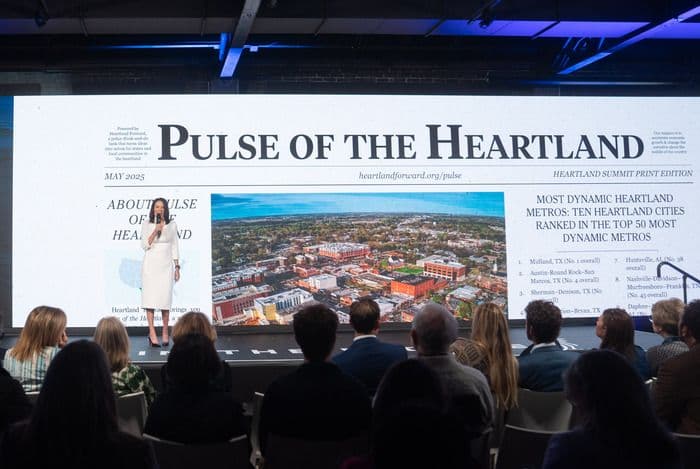
Heartland Forward: Real-time insights powering economic growth in the heartland
Heartland Forward is a nonprofit think-and-do tank with a mission to accelerate economic growth in the middle of the country.

National Urban League: A national model for workforce advancement
The National Urban League works to provide economic empowerment, educational opportunities, and the guarantee of civil rights for the underserved in America.

Opportunity Finance Network: Scaling small business lending through CDFI-led innovation
Opportunity Finance Network (OFN) is the leading national network of Community Development Financial Institutions (CDFIs) and a financial intermediary.

Nest: Growing the U.S. craft economy through maker-centered business support
Nest addresses the unique needs of artisans and makers, prioritizing their well-being, their communities, and their business interests.

Birmingham Business Resource Center: Strengthening Alabama’s small business ecosystem
The Birmingham Business Resource Center is a “one-stop-shop” designed to assist entrepreneurs in every stage of development of their business.

Our Village United: Investing in the health of both the small business and the business owner
Our Village United (OVU) supports the growth of solopreneurs and microbusinesses by delivering targeted technical assistance and shared professional services.
CNote: Unlocking capital for underserved communities through innovative data and technology
CNote makes impact investing easier by connecting capital to mission-driven financial institutions.
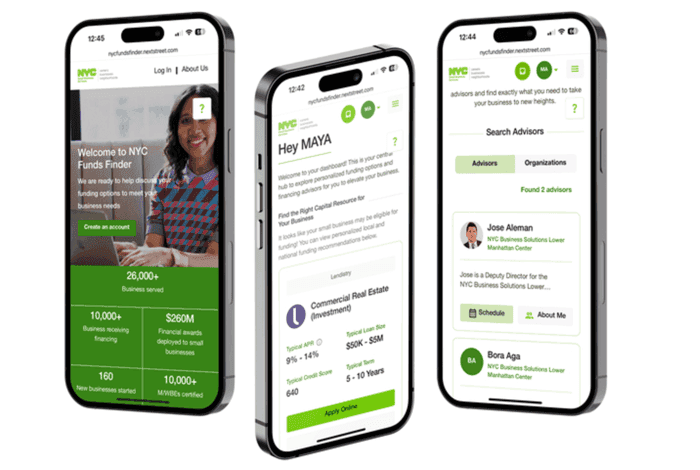
Next Street: Building a digital concierge service for small businesses
Next Street provides end-to-end solutions – powered by proprietary technology, national networks, and industry expertise.
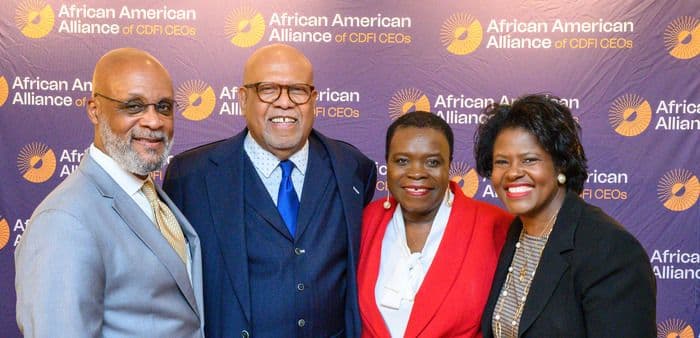
The African American Alliance of CDFI CEOs: Investing in the strength and scale of Black-led CDFIs
The African American Alliance of CDFI CEOs empowers Black CDFI CEO members to lead and grow their institutional operations, teams, and social impact.

One Million Dreams Foundation: A new path to generational wealth
One Million Dreams Foundation provides tools, resources, and mentorship for entrepreneurs so they can scale their business and generate new economic opportunities.

Low Income Investment Fund: Strengthening childcare businesses, strengthening communities
The Low Income Investment Fund (LIIF) is a nonprofit community development financial institution that mobilizes capital and partnerships to expand access to funding.

Small Firm Diaries, USA: Understanding how small businesses really work — and what they need to grow
Small Firm Diaries, USA is a two-year study, led by the Financial Access Initiative at NYU Wagner and EA Consultants.
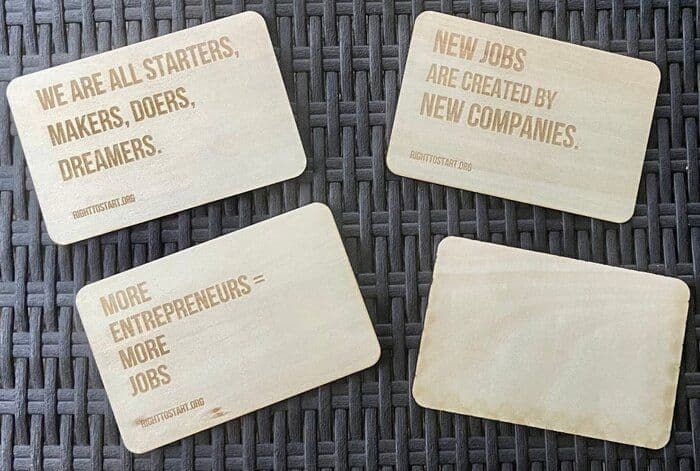
Right to Start: Advancing entrepreneurship as a civic priority across the United States
Right to Start is a nonprofit, nonpartisan organization that seeks to expand entrepreneurial opportunity for all.
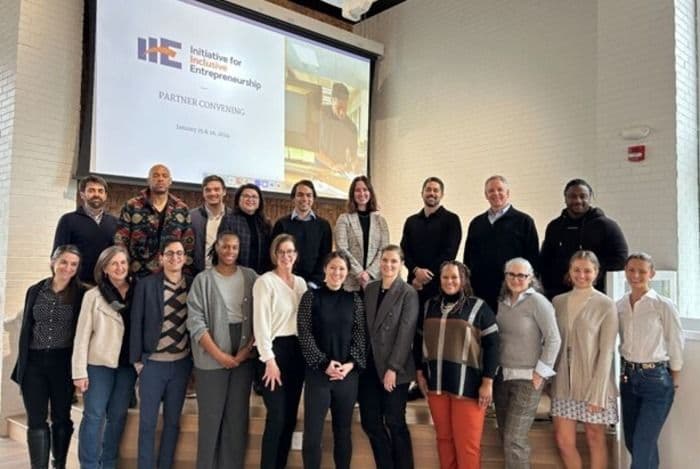
Hyphen: Advancing access to capital access through a national public-private partnership
Hyphen catalyzes multi-sector partnerships, leverages philanthropic leadership and resources, and deploys strategic communications to address urgent needs facing entrepreneurs.
Ascend: Supporting growing medium-sized businesses in Atlanta — and beyond
Ascend is a national network of local ecosystems that provides resources and market access to growing businesses.

Community Reinvestment Fund, USA: Powering small business growth by modernizing community lending
Community Reinvestment Fund, USA (CRF) is a national nonprofit organization with a mission to improve lives and strengthen communities through innovative financial solutions.

Accessity: Expanding access to credit for low- and moderate-income entrepreneurs
Accessity is a Community Development Financial Institution focused on providing economic opportunity to entrepreneurs in Southern California.